
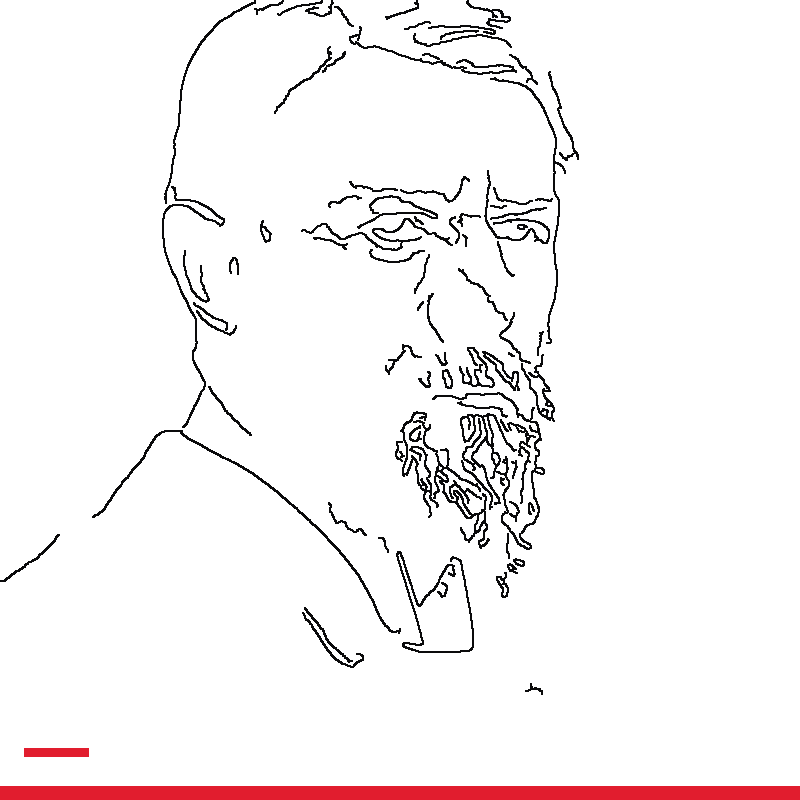
1864–1920
Max Weber
Max Weber was a German jurist, political economist, historian, and sociologist whose work helped establish modern social science. Trained in law, he held professorships at Freiburg, Heidelberg, Vienna, and Munich and wrote across economics, religion, politics, and methodology. For management studies, his analyses of rationalization, legitimate domination, and bureaucracy are central: he described an ideal type organized through offices, defined competences, hierarchy, written rules, records, and technically qualified officials. Weber did not offer bureaucracy simply as a management recipe; he also examined how rational organization could threaten meaning and freedom. Economy and Society was unfinished at his death and published posthumously in 1922. He belongs in this library because his analytical framework remains indispensable for understanding formal authority and administrative organization.
Weber supplied the most influential analytical account of bureaucracy, legitimate authority, hierarchy, rules, expertise, and the tensions created by rational administration.
Editorial biography; see cited sources.